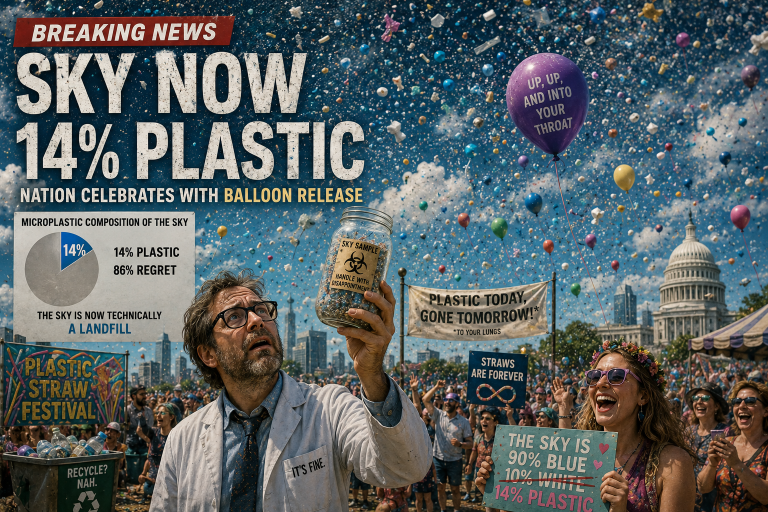
Breaking News: The Influencer Apocalypse—How to Dodge Their Dubious Decisions
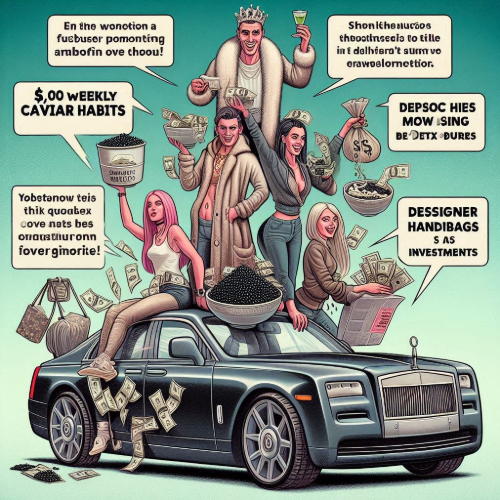
Brace yourselves—social media influencers have officially run out of ideas. From promoting $2,000 weekly caviar habits to endorsing detox teas with questionable ingredients, the influencer economy has reached peak absurdity. Experts warn that if left unchecked, this trend could lead to widespread financial ruin, unrealistic beauty standards, and an epidemic of people believing that spending rent money on designer handbags is a sound investment.
The Rise of the “Bad Decision Brigade”
A recent study has revealed that 60% of consumers trust influencer recommendations, despite the fact that many influencers have no actual expertise in the products they promote. This has led to a surge in misinformation, deceptive marketing, and questionable life choices. From buying skincare products endorsed by someone who has never used them to following financial advice from someone whose only qualification is “being rich”, the influencer economy is thriving on blind trust.
How to Avoid Becoming a Victim
Experts suggest the following survival tactics to avoid falling into the influencer trap:
- Question Everything – If an influencer claims a product will “change your life,” ask yourself: Is this life-changing, or just wallet-draining?
- Check Credentials – If someone is giving medical, financial, or psychological advice, make sure they have actual qualifications beyond “I have 1 million followers.”
- Resist the FOMO – Just because an influencer is flaunting a $1,000 dinner at Coachella doesn’t mean you need to do the same. Your bank account will thank you.
- Follow Real Experts – Instead of taking health advice from someone who sells diet pills, consider listening to actual doctors and nutritionists.
- Remember: Free Stuff Isn’t Free – Influencers get piles of free products from brands, but that doesn’t mean those products are good. If they’re promoting something, ask yourself: Would they actually buy this if they weren’t being paid?
The Future of Influencer Culture
As backlash grows, influencers are scrambling to appear more relatable. Some are pivoting to budget-conscious content, while others are pretending to struggle financially to maintain their audience’s trust. But experts warn that unless stricter regulations are put in place, the influencer economy will continue to thrive on deception, unrealistic expectations, and the occasional viral scandal.
Stay vigilant, stay skeptical, and most importantly—don’t let an influencer convince you that spending $2,000 on caviar is a normal Tuesday expense.
Jaime at Dirt in a bottle – wrote a good piece on this sort of thing that I feel is relevant and worth reading “Influencers or Influenced? The Satirical Saga of the Easily Influenced” Check it out!
About the Author

 Kelly
Kelly 
 Jaime
Jaime