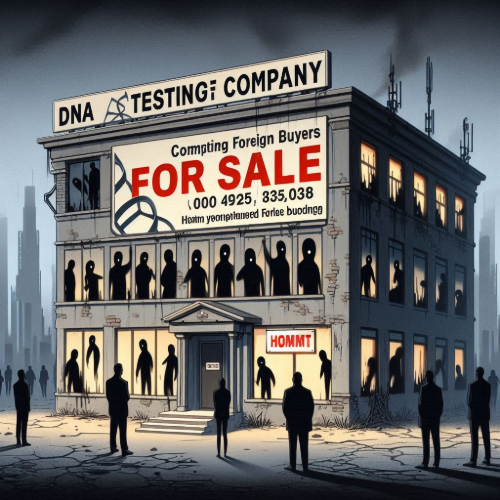
It turns out the world only needed to know their ancestry and potential genetic quirks once. The once-booming business of DNA curiosity has officially flatlined, sending industry titans like 21AndMe, AncestryDNA, MyHeritage, and even health-focused genetic services like Color Genomics and Helix into financial ruin.
The great genetic gold rush—where everyone rushed to find out if they were descended from royalty or had an unexpected lactose intolerance—has sputtered out. Turns out, one-time purchases don’t make for lifelong revenue streams, and consumers weren’t eager to shell out extra cash for dubious reports about their “genetic disposition for optimism” or “potential avocado allergies.”
A Monopoly Rises from the Ashes
While the consumer DNA industry crumbles, the last-standing institution capable of processing genetic tests has emerged. Quest Diagnostics now reigns supreme, consolidating nearly all genetic testing under one roof in their Philadelphia, PA lab. Whether you’re trying to confirm your ancestry, assess hereditary disease risk, or see if your cousin Todd lied about having Viking blood, Quest has become the sole provider.
Despite Quest Diagnostics’ dominance, each former DNA company still maintains its own isolated database, refusing to collaborate. AncestryDNA, MyHeritage, and Color Genomics sit on mountains of genetic data but lack the infrastructure to continue testing. Meanwhile, consumer privacy advocates are scrambling as DNA vaults are now up for grabs, ready to be sold to the highest bidder.
The Global Scramble for Genetic Gold
As genetic testing companies go under, liquidation is inevitable. That means someone—perhaps a foreign entity—is bound to inherit troves of genetic information. Speculation swirls around potential buyers, with China and Russia frequently named as possible contenders eager to acquire Western genetic data.
Security experts warn that foreign control over American DNA records could open a Pandora’s box of dystopian possibilities:
- Targeted genetic profiling for marketing or surveillance purposes
- Tailored biological research that exploits genetic predispositions
- Ethical nightmares in which genetic data is used for purposes beyond consumer consent
One privacy advocate grimly noted, “Selling genetic databases is like selling a map to the inside of your body. Hope everyone enjoyed their ancestry report—because now the world might own it.”
The End of the Genetic Trend
While the demise of these DNA giants marks the end of an era, there may be a silver lining. Consumers are shifting away from genetic testing and returning to traditional genealogy research—historical records, family storytelling, and regional databases. It’s slower, yes, but at least your great-grandmother’s diary won’t be sold to a foreign superpower.
The collapse of 21AndMe, AncestryDNA, and their peers ultimately proves that DNA testing was never meant to be a lifelong subscription model. The future of genetic curiosity now belongs to historians, not tech executives.
And as the dust settles, all that’s left to ask is: Who will inherit our genetic secrets?
Stay tuned… or don’t. Your DNA is already on file somewhere.
About the Author

 Kelly
Kelly 
 Jaime
Jaime