“The Art of Broken Apps: A Symphony of Boardroom Decisions and Developer Fumbles”

Ah, the modern app: A shiny beacon of convenience, productivity, and connectivity—or at least that’s the idea. In reality, many apps feel more like digital Frankenstein monsters, barely stitched together and perpetually limping toward functionality. But who’s to blame for this epidemic of apps that seem to break more things than they fix? Is it the boardroom overlords or the keyboard warriors in the trenches? Let’s explore.
From Boardroom Boldness to Bug Bonanza
Picture this: A group of executives sipping artisanal espresso in a glass-walled conference room, passionately debating how to “leverage synergy” and “pivot the paradigm.” Someone says, “Let’s beat our competitors to market!” and the room erupts in applause. The decision is made: Launch the app NOW, even if the code is held together with duct tape and prayer.
For the board, it’s all about speed and optics. They dream of flashy marketing campaigns and headlines that scream, “Company X disrupts industry with revolutionary app!” The details—like stability, user experience, and, you know, functionality—are trivialities best left to the developers. After all, how hard can coding be?
Developer Jitters: From Genius to Gremlins
Meanwhile, the developers, tasked with turning half-baked ideas into reality, are scrambling. “You want this ready by tomorrow?!” they exclaim, clutching their cans of energy drinks. Their coding finesse is replaced with frantic copy-pasting from Stack Overflow, desperate prayers to the coding gods, and a resigned acceptance of the chaos to come.
Sure, they could take time to refine the code, test thoroughly, and eliminate bugs. But there’s a deadline—an unreasonable, soul-crushing deadline—and the board’s chant of “faster, faster!” echoes in their ears. So out goes the app, with code that resembles a plate of spaghetti. Users become unwitting beta testers, and chaos ensues.
The Fallout: Bugs, Crashes, and Rage Tweets
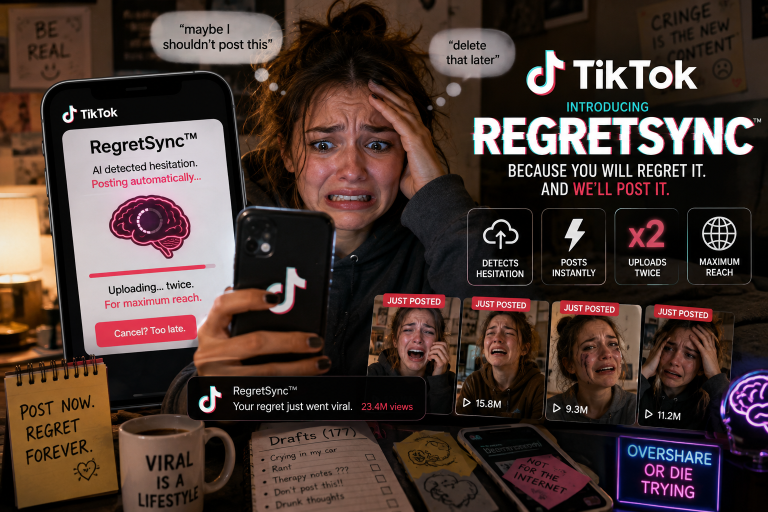
Post-launch, the app is revealed to be…well, a dumpster fire. Bugs abound, crashes are frequent, and users are left seething. Social media lights up with complaints: “This app just deleted all my contacts!” “Why does the app freeze every time I tap anything?!” “I’m suing for emotional distress!”
Of course, fixes roll out—eventually. But by then, the damage is done. Trust is eroded, competitors have seized the opportunity to swoop in, and the company is left with a PR nightmare.
The Cure for App Chaos
What can be done to prevent this recurring tragedy? Here are some tongue-in-cheek (but practical) suggestions:
- Boardroom Enlightenment: Teach executives that launching a broken app isn’t “disruptive”—it’s embarrassing. Emphasize the value of quality over speed. Perhaps create a “Bug Awareness Seminar” featuring live demonstrations of broken code.
- Empowered Developers: Give developers the time and resources they need to create stable, functional apps. Reward patience and diligence instead of punishing it.
- Rigorous Testing: Instead of treating users as beta testers, invest in proper testing phases with real QA teams. Test the app on every platform imaginable, even on that ancient phone your grandma still uses.
- Honest Marketing: If your app isn’t ready, don’t overpromise. No one wants to hear that your app will “change the world” only for it to crash on the login screen.
- Post-Launch Accountability: Own up to your mistakes and fix them promptly. A heartfelt apology goes a long way—and so does a free premium subscription.
Conclusion
In the race to outpace the competition, businesses often sacrifice quality for speed, leaving users to deal with the fallout. But by prioritizing functionality, empowering developers, and taking a more thoughtful approach to launches, companies can create apps that delight instead of frustrate. Until then, we’ll just keep restarting our phones and crossing our fingers.
About the Author


 Kelly
Kelly 

 Daniel L