

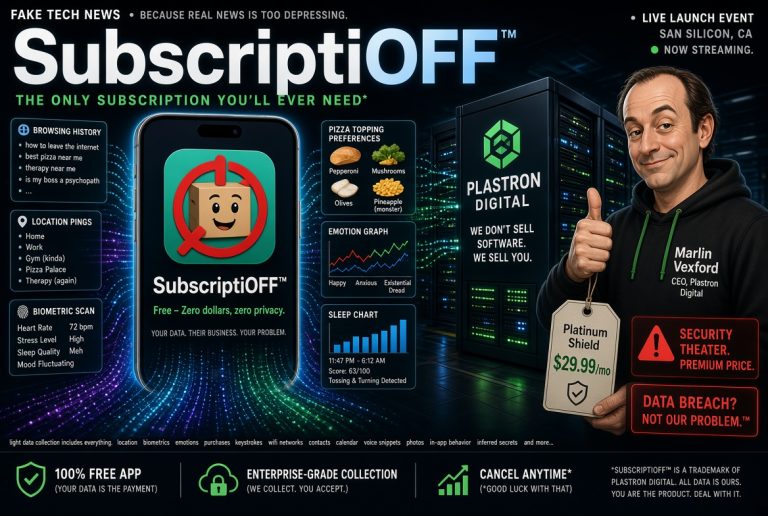
It’s official: the internet has gaslit humanity into believing that free actually means hand over your personal data like an overly enthusiastic giveaway contestant.
The Google Search That Cost Everything
You innocently open Google, searching for a free website theme. Your hopes rise as hundreds of dazzling, modern designs appear, each promising “100% FREE” downloads.
Click.
Reality smacks you across the face. You can’t just download it—you have to create an account.
Click.
More options appear: Sign in with Google. Sign in with Facebook.
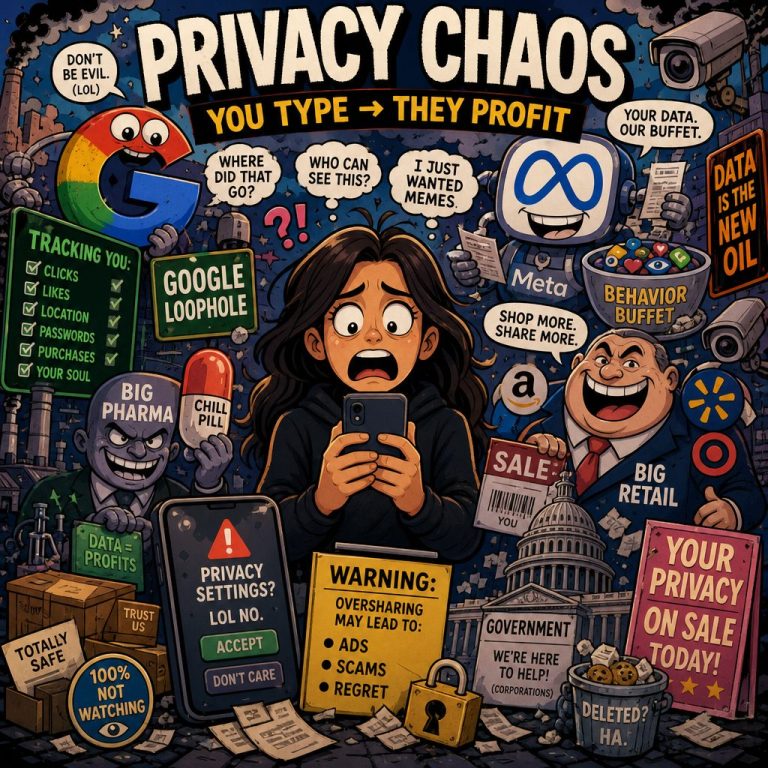
Panic sets in. The kings of data collection have arrived to “help” make sign-ups easier—by siphoning your entire internet footprint in one effortless motion. The second you click “Sign in with Google,” you’ve handed over:
- Your name
- Your location
- Your browsing history
- Your ad preferences
- Your existential crisis
And thus, your data is not yours anymore. It’s part of an invisible marketplace where tech companies profit off your habits, selling your details like rare Pokémon cards to advertisers and shadowy analytics firms.
All so you could get a free website theme.
“Free” No Longer Means Free—Authorities Baffled
In a groundbreaking linguistic scandal, experts have confirmed that the word “free” has lost all meaning. Once thought to mean “without cost or obligation,” free now actually means “You won’t pay with money, but we’ll take everything else.”
One CEO of a “free” software provider defended their deceptive wording, saying, “Look, it’s still free. We’re just asking for a few harmless things! Just your name, email, location, search history, and possibly your pet’s microchip number.”
Consumer rights advocates argue that this exchange of personal data for services is not free at all, but rather an elaborate trade system where privacy is the new currency.
A spokesperson for the Digital Fairness Alliance put it bluntly: “Imagine if a coffee shop advertised ‘Free Coffee!’ but when you arrived, they said, ‘Before you sip, tell us your home address, your favorite color, and whether you cry at Pixar movies.’ Would that be free? NO.”
The Rise of “Data-Powered” Services
Websites have responded to backlash by suggesting an alternative: “If you don’t want to give us your data, just pay $19.99 per month instead.”
Which, ironically, would actually make it free, because at least money is transparent.
Meanwhile, consumers are forming a protest movement called “Free Should Mean Free, or We Riot.” Their demands include mandatory warnings before a “free” sign-up and disclaimers such as:
💡 “Signing up means we will analyze your browsing history like detectives on a true crime podcast.”
💡 “Using your Google login means we now know more about you than your own mother.”
The Final Blow to the Word “Free”
Oxford Dictionary representatives have reportedly been contacted to see if an emergency redefinition of free is in order. Webster’s Dictionary issued a statement saying they “need time to grieve.”
As of publication, websites have begun nervously adjusting their “Sign Up for Free” buttons to say:
- “Sign Up for Free-ish.”
- “Sign Up for Free! (By Free, We Mean Give Us Your Soul).”
- “Sign Up for Free! WARNING: Privacy Not Included.”
At this rate, we may never trust the word “free” again. But hey, at least your website theme looks nice, right?
About the Author

 Jaime
Jaime 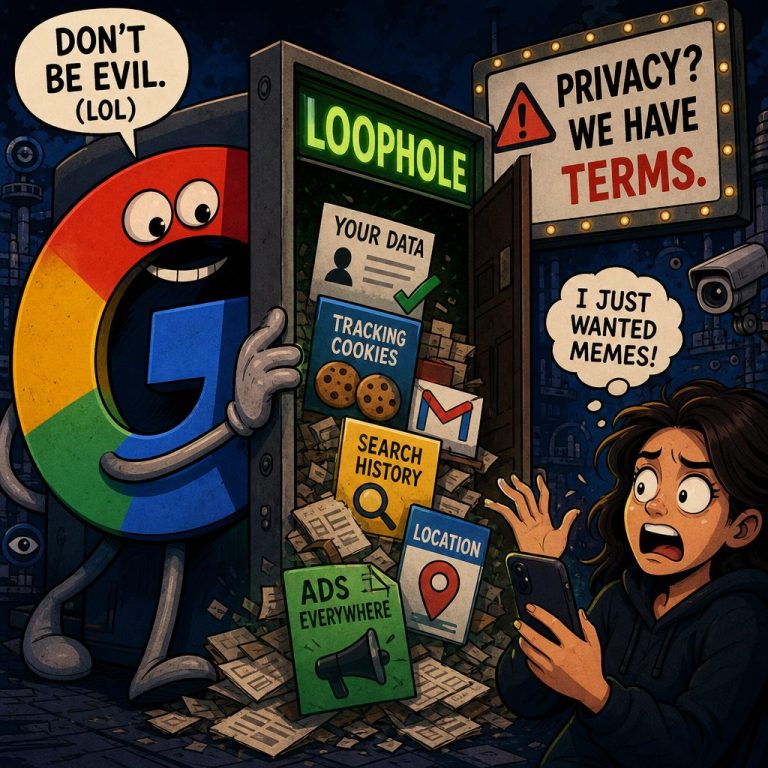
 Kelly
Kelly