
Breaking News: Live Streamers Have Officially Replaced Traditional Jobs with Digital Chaos
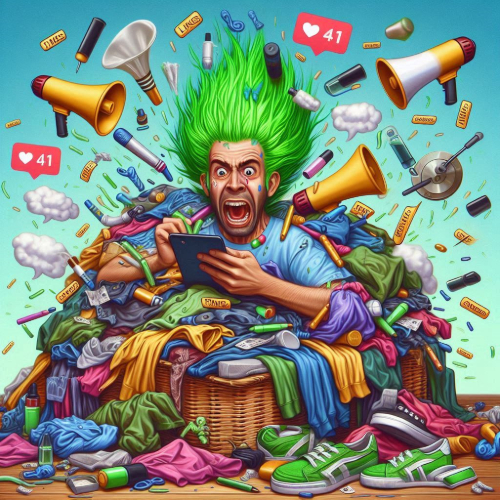
Internet—A new era has dawned: the age of the live streamer. Once viewed as a niche hobby, streaming has evolved into a full-fledged economy powered by likes, subscriptions, and the art of convincing strangers to fund their existence. While traditional employment involves salaries, stability, and pants, streamers have discovered a different path—one paved with pranks, try-on hauls, sleepless nights, and waking up to air horns when someone donates money.
Why Work When You Can Perform?
Gone are the days of office life; streamers now engage in elaborate online rituals to ensure their financial survival. Their toolkit includes:
- The “Watch Me Sleep” Strategy—A revolutionary concept where streamers lie down, do nothing, and still generate income. Every donation triggers an unbearable sound effect, ensuring viewers feel deeply involved in their nocturnal suffering.
- Try-On Hauls—Where influencers purchase enough clothing to bankrupt themselves, model each piece dramatically, then pretend they won’t return half of it. The obligatory comment, “You guys, this is literally EVERYTHING,” is legally required.
- Extreme Pranks—Streamers now terrorize friends, family, and unsuspecting strangers for content. Advanced techniques include food sabotage, duct-taping roommates to ceilings, and convincing coworkers they’ve been fired—all for laughs.
The Sacred Quest for Subs & Likes
Experts have concluded that streamers do, in fact, work—just in ways that make economists deeply uncomfortable. Instead of hourly wages, they manipulate audiences into pressing magical internet buttons that dictate their survival. Popular tactics include:
- “If we hit 500 likes, I’ll dye my hair neon green.”
- “New subs get a personalized thank-you dance!”
- “Guys, I literally need 10 more subscribers or I’ll lose my identity.”
With enough engagement, streamers unlock rare abilities, including sponsorship deals, influencer party invitations, and the financial power to rent an entire helicopter for an “extreme skydiving prank.”
Is This the Future of Work?
As streaming culture escalates, scholars wonder if traditional careers will survive or if corporate executives will soon rise to power solely because their Fortnite clips were elite. Will surgeons live-stream heart surgeries while collecting donations for a new scalpel? Will politicians launch “IRL campaigns” where donations trigger confetti explosions?
One analyst warns: “It’s only a matter of time before a streamer fakes an alien invasion or convinces an entire town they’ve been transported to another dimension for views.”
Until then, live streamers will continue their relentless pursuit of digital glory, armed with ring lights, questionable merchandise, and the unwavering belief that “If this video gets 10,000 likes, I’ll do something EVEN CRAZIER!”
About the Author

 Daniel L
 Kelly
Kelly