
Breaking: Nation’s Sports Betting Frenzy Reaches Unprecedented Levels of Ridiculousness
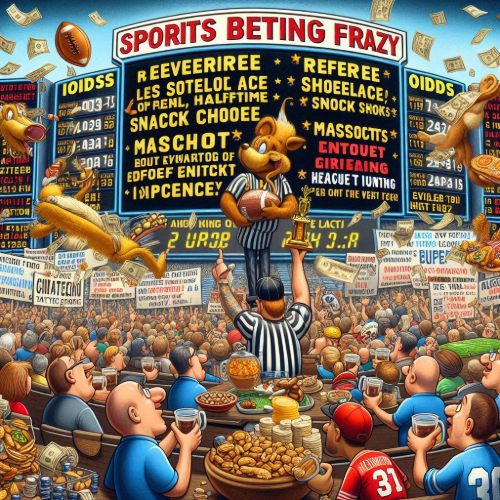
In a move that has left economists dumbfounded and statisticians clapping in baffled disbelief, the world of sports betting has evolved into the wildest form of entertainment since reality TV met stock market flash crashes. Betting companies are now daring to ask the question everyone was too polite to voice: “Why stop at game scores when you can wager on the coach’s tie color or even the halftime snack choice?”
Local bettors are ecstatic. “I just placed a wager on whether the referee will trip over his own shoelaces in the first quarter,” announced one exuberant gambler, whose ambitions now include betting on the likelihood of a touchdown being scored by a player whose name begins with an ‘X’. “It’s not about the sport anymore—it’s about the sheer absurdity of life!” he declared, as he updated his live blog from a local bingo hall turned impromptu sportsbook venue.
This revolution in wagering has given rise to a new league of “extravagant odds enthusiasts” who relish the unpredictability of even the most mundane events. One major sports betting corporation recently unveiled its groundbreaking “Everything’s Bettable” platform, where, aside from the usual game outcomes, customers can risk their hard-earned cash on whether a post-game press conference will feature any mention of a “legacy” or if the commentator will utter a single genuine apology. Sponsors say it’s the ultimate evolution of fan engagement—a full-contact sport where chance meets cheek.
Critics, however, remain skeptical. “It’s like turning your everyday coffee order into a high-stakes gamble,” remarked an academic pundit before editorials began appearing on national late-night TV. “When even the barista’s latte art is bettable, we must ask: Have we lost the very essence of sport, or is this just life finally catching up to our insatiable appetite for absurdity?” Meanwhile, regulation experts scramble to introduce guidelines for bets that predict whether stadiums will run out of peanuts or whether a mascot will break an official sports record (by successfully eating more peanuts than the fan in the front row).
In response to the growing frenzy, local authorities have even initiated workshops titled “Betting Responsibly on the Ridiculous”, where experts discuss strategies for managing one’s impulse to wager on that third-quarter coffee availability—a venture as unpredictable as Monday morning traffic. Community leaders praise these initiatives while simultaneously questioning if society might soon be placing bets on whether it can bet on everything at all.
Stay tuned as this story develops—next on the agenda: the highly anticipated poll predicting the outcome of sports betting companies’ next impossible venture, where they plan to let you wager on whether politicians will ever agree on something more than the need for better Wi-Fi at sporting events. Certainly, the future of sports betting is shaping up to be the wildest game of chance yet.
About the Author

 Jaime
Jaime 



 Kelly
Kelly